Deep Dive: The Making of Blade Runner
Ridley Scott's Blade Runner (1982) is a landmark in production design and a case study in troubled production histories. Initially met with mixed reviews and modest box office, the film has since become one of the most influential science fiction works ever made. Its rain-soaked, neon-lit vision of Los Angeles in 2019 redefined how the future could look on screen and continues to shape visual effects and world-building today.
Building a Dystopia
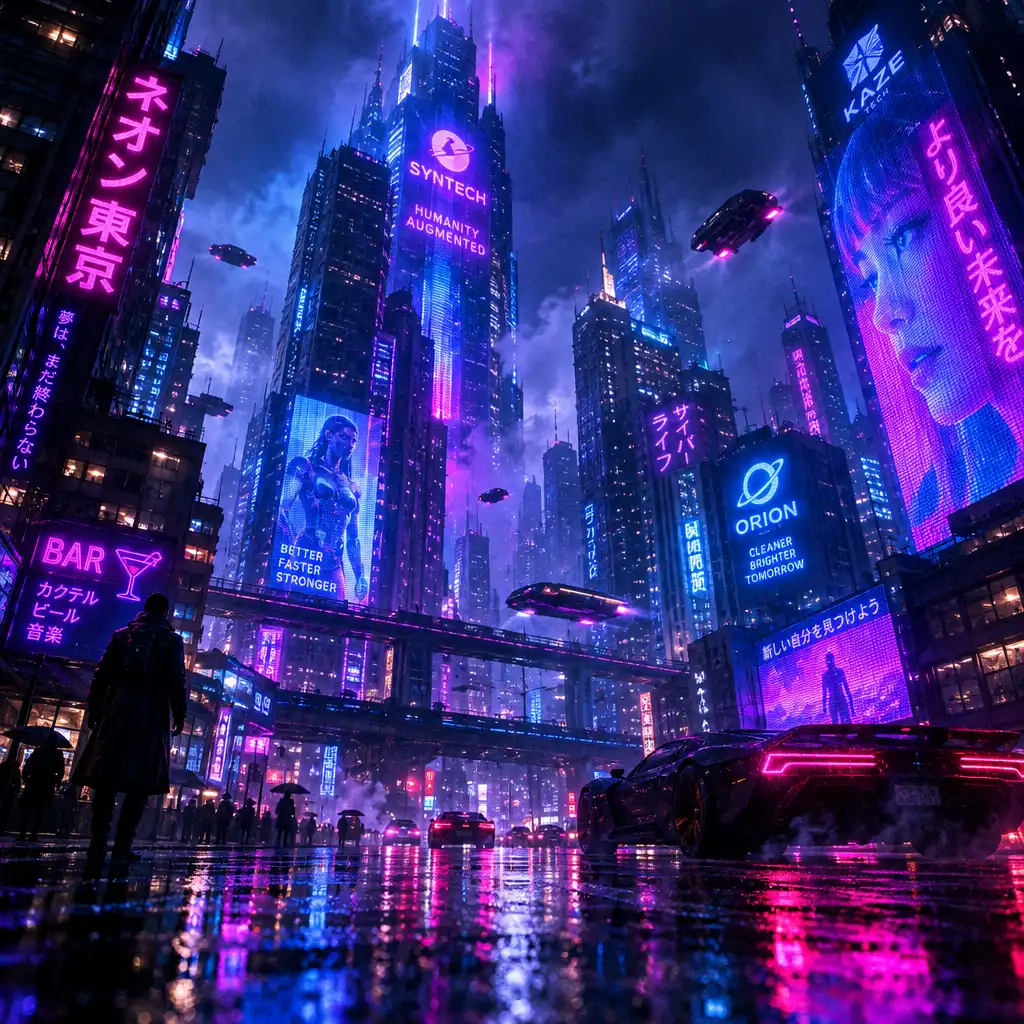
The film's production design, led by Lawrence G. Paull, transformed the Warner Bros. backlot into a dense, multicultural cityscape. The iconic 'spinner' vehicles were full-scale models, and extensive miniatures and matte paintings extended the city into the distance. The visual style drew heavily on film noir and Japanese architecture, creating a world that felt simultaneously futuristic and decayed. Every surface was layered with grime, advertising and rain, making the environment a character in its own right.
Casting and Iconic Moments
Harrison Ford was cast as Rick Deckard after his success in Star Wars, bringing a weary, reluctant energy to the role. The original theatrical cut included a voice-over narration that Ford reportedly disliked, and later versions removed it. Rutger Hauer's performance as Roy Batty culminated in the famous 'Tears in Rain' monologue, which Hauer partially improvised. The speech became one of the most quoted moments in science fiction cinema, blending scripted poetry with spontaneous emotion.
A Lasting Legacy
Over the decades, Blade Runner has been released in several versions, including the Director's Cut and the Final Cut, each refining Scott's vision. The film influenced countless science fiction films and visual effects, and in 1993 it was selected for preservation in the U.S. National Film Registry. Its status as a cult classic and critical touchstone is now firmly established, proving that a difficult production can still yield a masterpiece.